
What Causes Foot Pain with Age?
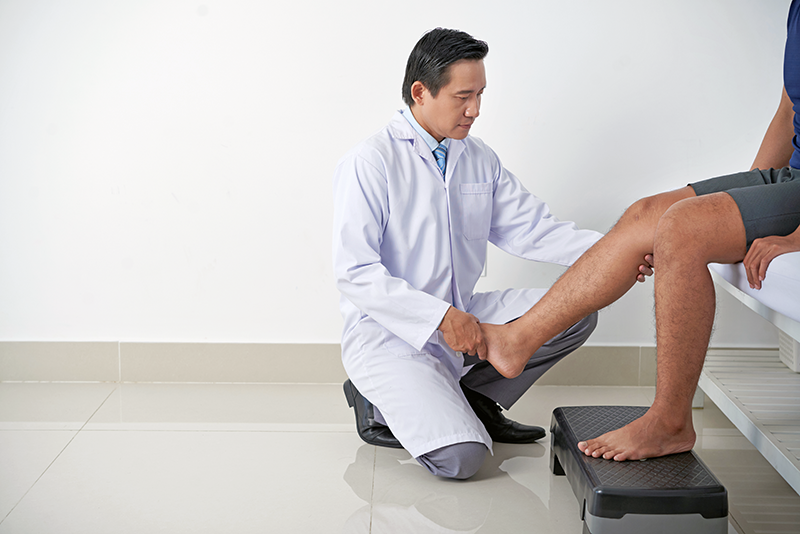
Aging takes its toll on your whole body. Your feet are not immune. As a matter of fact, your feet take a lot of stress over a lifetime. Therefore, it is easy to see how foot pain with age can occur. Beyond normal wear and tear, there are physiological changes. Aging causes changes that affect bones, joints, and tendons. Cell turnover and collagen production are slowed with aging. This causes physiological changes and impacts function.
Some conditions cause foot pain with age, such as:
Atrophy:
Gaining weight is not uncommon with getting older. The one place this does not happen is the footpad. In fact, the fat padding of your feet actually decreases with age. This fat serves as cushioning for your feet. Without it, pain can develop in the heel and foot. Special shoes with inserts called orthotics can help atrophy. Or, you can get filler injections to replace the fat pad.
Morton’s Neuroma:
This is one of the most common foot conditions. One in three people has Morton’s Neuroma. Pain is felt in the front of the foot. It can feel as though you are walking on a small rock. Women are more likely to develop this than men. Wearing high heeled shoes significantly increases the chances of this. Massages can help reduce foot pain as you age. You may need steroid shots if the pain gets too severe.
Cracked Heels:
The older your skin gets, the less oil and elastin it makes. This leaves you with drier, less supple skin. Your heels can begin to crack and harden as a result. Being overweight makes this worse. Regular care is needed to prevent cracked heels, so apply lotion daily. Special creams can be used called keratolytic. These slough off the tough layer of skin. Additionally, using a pumice stone also removes dead skin.
Plantar Fasciitis:
This is the number one reason for foot pain in your heels. The plantar fascia is a ligament that supports your arch. It runs along the sole of your foot. Everyday strain or repeated stress can also injure this ligament. It becomes stiff and causes pain. Being overweight and having high arches also increase the risk of plantar fasciitis. Rest, ice, and pain medications can help reduce your foot pain from plantar fasciitis as you age.
Osteoarthritis:
The overall wear and tear your feet go through causes pain. It increases the risk of osteoarthritis. Cartilage weakens with age and loses flexibility. As a result, bones in joints rub and create friction. Osteoarthritis is common in adults over the age of 65.
Achilles Tendinitis:
The Achilles is a large tendon at the back of your heel. It helps flex your foot. However, this can weaken with age and reduce blood flow. Therefore, your heel and ankle can be painful. Rest, ice and medication will reduce swelling and pain from Achilles tendinitis. Although, more serious damage may require surgery.
Gout:
Gout is a form of painful arthritis. It is more common among men. Your body produces uric acid as waste. When this collects it forms crystals. These crystals can collect in the toe, causing pain and swelling. Prescription medications are given to reduce pain.
There are also changes you can make to reduce gout, such as:
- Exercising
- Eating less red meat
- Cutting back on alcohol
- Reducing sugar intake
- Drinking plenty of water
Bone Spurs:
These are commonly mistaken for bunions. But, bunions involve bones being out of place. Bone spurs are growths at the edge of bones. Typically this occurs in the heel, mid-foot, or big toe. The spurs push on nerves and tissues causing pain. Having osteoarthritis increases the risk of bone spurs.
Bursitis:
Your joints are cushioned by fluid-filled sacs called bursae. Repeated motion or friction can cause these to swell though. This swelling is painful in your feet and toes. Ice, padding, and NSAIDs can reduce swelling and pain. However, more severe cases of bursitis may require corticosteroid injections.
Hammertoe:
This is an abnormal bend in the middle joints of a toe. Typically, this occurs in the second toe. But, it can also affect others. Hammertoe has a distinctly unusual shape. There can also be a pain when it is moved. You are also likely to develop calluses and corns. The unusual shape causes more rubbing than usual. Special footwear and medication are also available. Depending on the pain level, surgery may be required.
Stress Fractures:
Hormone changes in women can lower bone density. This makes it easier to fracture bones. Wome are more at risk for stress fractures than men. But, men do develop brittle bones with age too. Stress fractures need a few weeks to heal. Resting is the most important part of healing. Your doctor can also advise on diet, exercise, and medication that can help.
If you are experiencing foot pain without relief, call us at 888-409-8006. Our offices are conveniently located in Coral Springs, Plantation, Deerfield Beach and Boca Raton.