
Sports Injuries and Your Feet: Prevention and Recovery Strategies
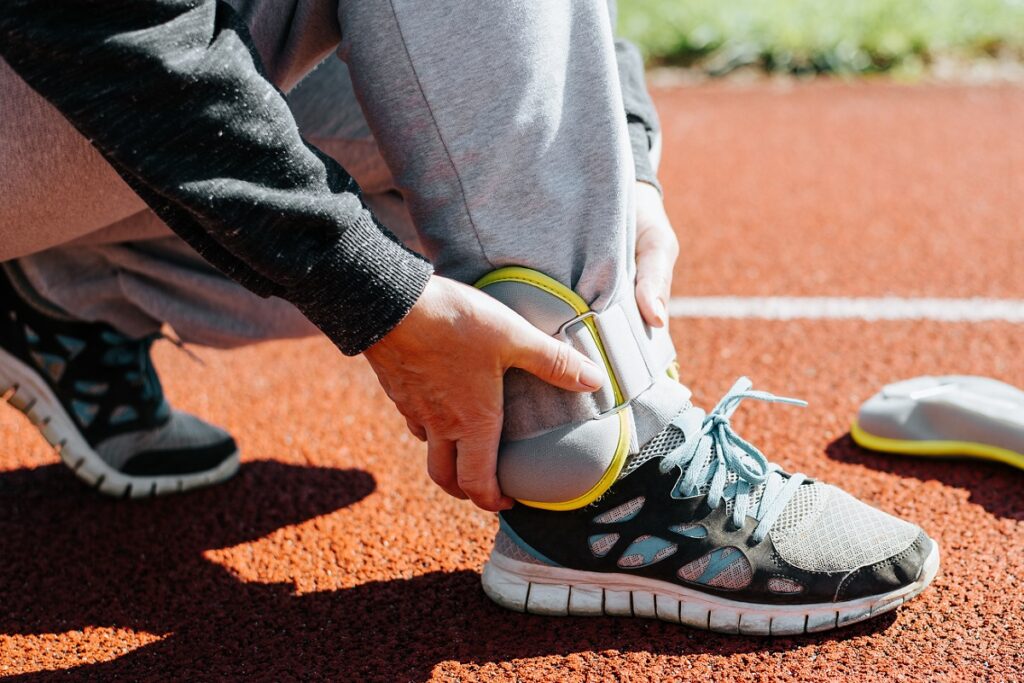
Whether you’re a weekend warrior or a seasoned athlete, your feet bear the brunt of every stride, pivot, and jump. When foot or ankle injuries strike, they don’t just interrupt your game—they can undermine your mobility, confidence, and long-term health. The good news? Many injuries are preventable, and with smart recovery strategies, you can bounce back stronger.
Common Sports-Related Foot & Ankle Injuries
First, it helps to know what you’re up against. Some of the most frequent foot and ankle sports injuries include:
- Ankle sprains: Ligaments stretch or tear when the foot twists awkwardly. It’s among the most common injuries in pivot sports.
- Plantar fasciitis: Inflammation of the thick band of tissue under your foot, often aggravated by overuse or sudden load increases.
- Stress fractures: Tiny cracks in the bones from repetitive impact, common in runners or athletes increasing training too rapidly.
- Achilles tendinitis: Overuse or strain on the Achilles tendon leads to pain along the back of the heel or calf.
- Turf toe and toe joint injuries: Hyperextension of the big toe joint, especially on artificial surfaces.
Knowing which injury you might face is the first step in preventing or recovering properly.
Prevention Strategies: Stay One Step Ahead
You can’t always control competition or field conditions—but you can greatly reduce your injury risk with proactive steps:
- Choose supportive, sport-specific footwear
The right shoe (or cleat) for your activity helps control motion, absorb shock, and reduce strain. As shoes wear down, they lose support—replace them regularly. - Warm up, cool down, and stretch smartly
A dynamic warmup primes muscles and joints; post-activity stretches maintain flexibility. Focus especially on calves, plantar fascia, and ankle mobility. - Strengthen your feet and ankles
Exercises like heel raises, toe curls, balance drills, and resistance-band movements help build stability and resilience. Podiatrists often prescribe these to prevent recurrence. - Gradual progression and cross-training
Don’t jump intensity or mileage too quickly—use the 10% rule (increase load ≤10% per week). Add low-impact cross-training like swimming or cycling to reduce repetitive stress. - Listen to your body
Pain is your body’s warning light. Ignoring early discomfort invites injury. If pain lingers beyond a few days, seek professional evaluation. - Seek biomechanical assessment
Podiatrists can analyze your gait, foot structure, and biomechanics to identify weaknesses or imbalances. They may recommend custom orthotics or adjustments to your technique.
Recovery Strategies: Smart Steps After Injury
Once an injury occurs, your recovery path matters. Here are effective approaches to guide healing:
- Rest, but don’t completely immobilize
You need rest—but total immobilization may slow healing. Gentle, pain-free movement can promote circulation and maintain joint flexibility. - Use cold, compression, elevation wisely
Ice, compression wraps, and elevating the foot help manage swelling, particularly in the acute phase. Always follow safe protocols. - Introduce gradual loading through rehab
Under the guidance of a clinician or physical therapist, begin loading the injured area gradually—progress from isometrics to resistance work to agility drills. - Maintain circulation and nutrition support
Blood flow brings oxygen and nutrients necessary for repair. Also, a protein-rich, anti-inflammatory diet accelerates healing. Hydration matters, too. - Self-massage and contrast therapy
Roll the plantar fascia over a tennis ball or cold bottle, and use alternating warm/cold foot soaks to stimulate circulation and reduce stiffness. - Get professional guidance early
If symptoms worsen or don’t improve, a podiatrist or sports medicine specialist can run diagnostics (imaging, gait analysis) and tailor treatments like immobilization, bracing, or surgical referral if
Final Thoughts
Sports injuries to the feet and ankles are all too common—but they don’t have to be career-ending or life-disrupting. By combining preventive habits (smart shoes, strength, gradual progress, biomechanical checks) with evidence-based recovery strategies, you can significantly lower your risk and rebound more resiliently.
If you’re an athlete or active individual with lingering pain, swelling, or instability, don’t wait: consult a podiatric specialist. The sooner you intervene, the smoother your path back to performance.